Marketing Agency for Dentists in Miami, FL
Miami-Dade isn’t one dental market, and it isn’t one language either. A campaign built for “Miami” broadly misses both realities at once.
A patient thinks in their neighborhood, and often in their own language.
Miami-Dade isn’t a single market
A practice in Brickell is competing against an entirely different set of practices than one in Doral, Kendall, or Little Havana.
The county is majority Spanish-speaking
Roughly two-thirds of Miami-Dade residents speak Spanish at home. Content built English-only misses that search behavior entirely.
DSO-backed chains add a second pressure
Independent practices are also up against corporate chains running heavier ad budgets on the generic, high-volume searches.
Right neighborhood, and the majority language most marketing ignores.
Miami-Dade isn’t one market, and it isn’t one language. Roughly 65 to 67 percent of residents speak Spanish at home, one of the highest shares of any major US metro (U.S. Census Bureau), yet most dental marketing here is built English-only. Get either half wrong, and you miss the patient.
Both switches have to be on. A campaign missing either one, wrong neighborhood or English-only in a 65 to 67 percent Spanish-speaking county, never reaches the patient.
Miami-Dade’s submarkets, grouped by how they actually compete.
Brickell and Downtown
Urban, international, young-professional. Cosmetic and fee-for-service demand concentrates here, alongside a genuinely bilingual patient base.
Coral Gables and Pinecrest
Established, affluent, family-oriented. Long-standing wealth and top-rated schools shape a different demand mix than the urban core.
Doral and Kendall
Fast-growing suburban corridors with a large Spanish-first population, where bilingual content matters as much as location.
Little Havana and the western neighborhoods
Predominantly Spanish-speaking, historically underserved by English-only dental marketing built for the rest of the metro.
Health content gets held to a higher standard.
Google classifies health content, dental care included, as what its own quality guidelines call Your Money or Your Life content, weighing expertise, experience, authoritativeness, and trust more heavily than a typical local business page. A page produced by an agency that also serves restaurants and real estate agents off the same template starts from a real disadvantage.
Experience. Content that reads like it came from someone who’s actually treated patients.
Expertise. Accurate, specific dental content, not generic marketing filler.
Authoritativeness. A site structured to signal it’s a real, credentialed practice.
Trust. Consistent, verifiable information Google can check across the web.
What marketing for a Miami dental practice actually includes.
Google Business Profile management
Category selection, real service area configuration, hours, photos, posts, and Q&A kept current, in Spanish where it matters.
Local SEO and map pack
Signals scoped to the specific neighborhood you draw from, whether that’s Brickell, Doral, Kendall, or wherever you sit.
Technical SEO
Crawl errors, page speed, mobile rendering, and duplicate content, common on dental site templates.
Dental content
Written around what your practice treats, with bilingual content where your patient base calls for it.
AI search visibility
Structured so AI assistants like ChatGPT and Gemini can find and cite your practice accurately.
Listings and citations
Name, address, and phone corrected and maintained across directories.
Submarket-specific content
Pages built for the neighborhood you actually serve, not one page with the name swapped in.
Multi-location structuring
Separate, individually optimized profiles for practices with more than one Miami-Dade office.
Who you’re actually competing against.
DSO-backed chains typically win on ad spend, not search relevance. The searches an independent practice can actually own are the specific ones, a named neighborhood, a specific treatment, a practice that clearly looks like it’s run by someone who’s actually there.
DSO-backed chains, competing on ad spend
They win the generic, highest-volume terms through budget, not relevance.
Full-service marketing bundles
Most Miami-market agencies sell SEO alongside PPC, social, branding, and reputation management, with SEO as one line item among several.
English-only competitors, in a Spanish-majority market
A page that never accounts for how most of the county actually searches leaves real volume on the table.
Four stages, each one gating the next.
Audit
Your current Google Business Profile, rankings, and the specific submarket competition relevant to your service area.
Plan
A plan that prioritizes submarkets and languages based on what the audit finds.
Build
GBP fixes, technical work, and content, bilingual where your patient base calls for it.
Report
Monthly, in plain language: what changed and why.
One report you can read over a coffee.
We track rankings, traffic, and calls, but none of that is the point on its own. Everything rolls up to the number that actually matters: booked appointments.
What to ask before you hire any Miami dental marketing agency.
What happens to my Google Business Profile and analytics if I leave?
Is marketing the whole service, or does it include branding and social media I didn’t ask for?
Do you build for my actual submarket and language, or a metro-wide English-only template?
Is pricing published, or do you have to book a call just to find out?
What’s the honest timeline, and what changes it?
Foundation
Monthly marketing, built around your Miami submarket
Exactly what you pay. No hidden line items.
Foundation starts at $795 a month, with nothing hidden in the bill.
Best for single-location practices building a foundation in one submarket.
Multiple Miami-Dade locations, or want to compare Growth and Accelerate tiers? See full pricing.
Six years in SEO. Almost all of it spent on dental and medical practices.

Six years in SEO, almost all of it inside dental and medical practices: Google Business Profile, technical SEO, content, reviews, and now AI search visibility. Elvora works exclusively with dental and orthodontic practices, and every Miami engagement is built and run by Shubham directly, not handed off to an account manager once the contract is signed.
“I started Elvora because I watched too many practices pay for a year of SEO and get nothing but charts. So we do it backwards: you own every account, there’s no contract, and we show you what we’d fix, free, before you decide. If it isn’t working, you leave. That keeps the pressure on us, where it belongs.”
Shubham Gupta · Founder, Elvora
Everything stays yours, from day one.
You own every account
GBP, Search Console, and Analytics, all in your name from day one.
No proprietary dashboard
We report through the same tools you already own and keep owning.
Direct access
You work with the person doing the work, not an account coordinator relaying updates.
No contract, ever
Month to month, cancel any time.
An honest timeline
Three to six months for real movement. We won’t promise faster to close a call.
Elvora is new. The person doing your work isn’t.
Unedited screenshots from Google, real dental SEO work Shubham did before starting Elvora.
Shown with client permission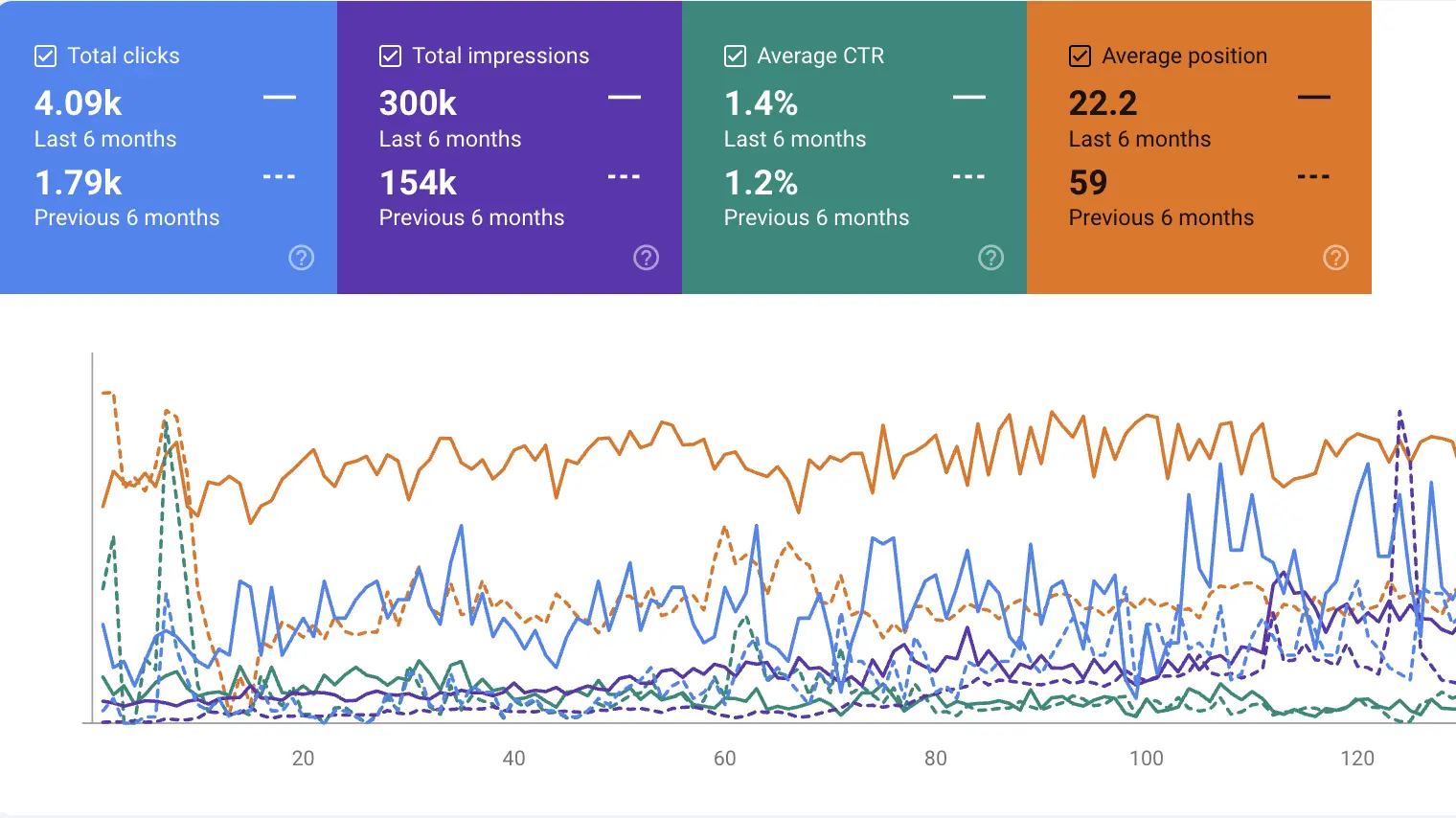
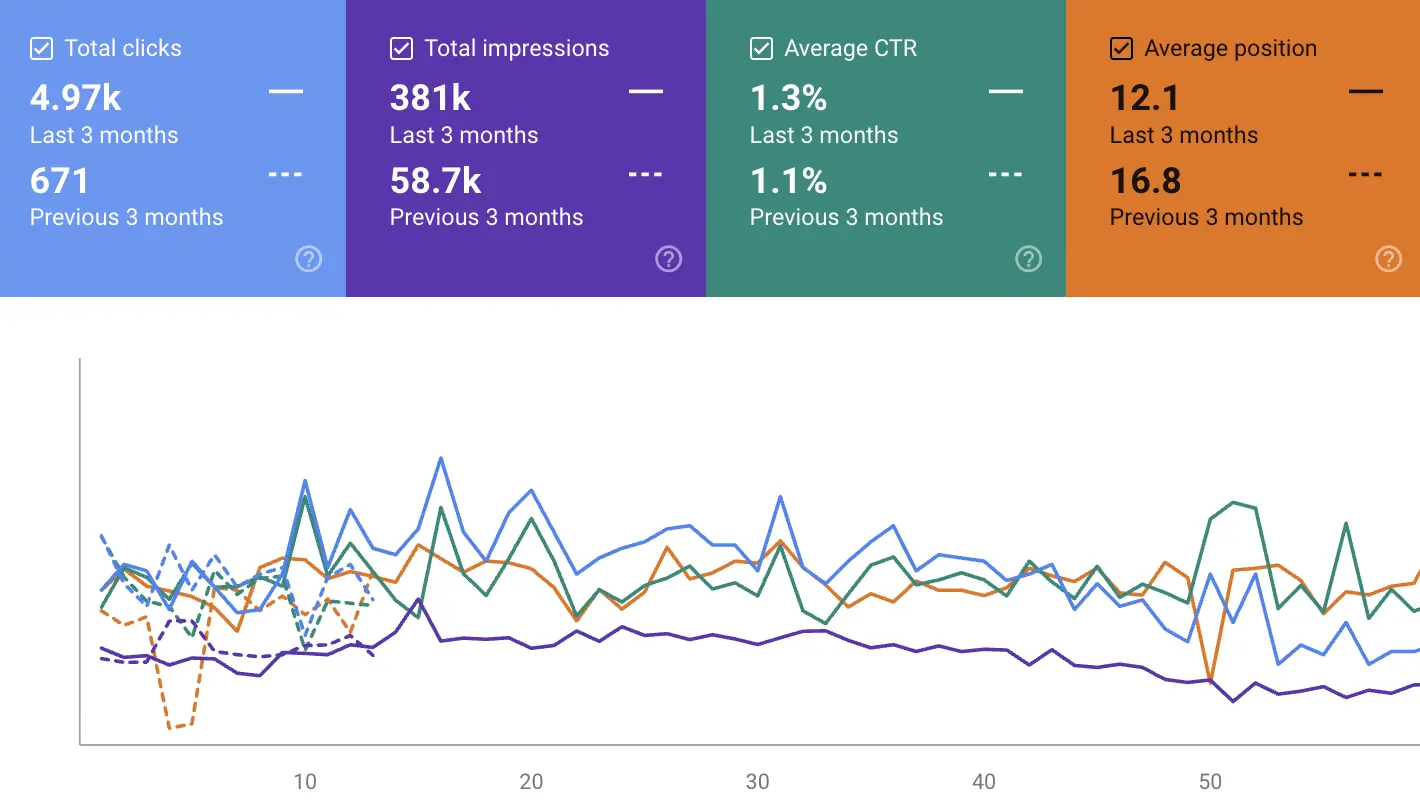
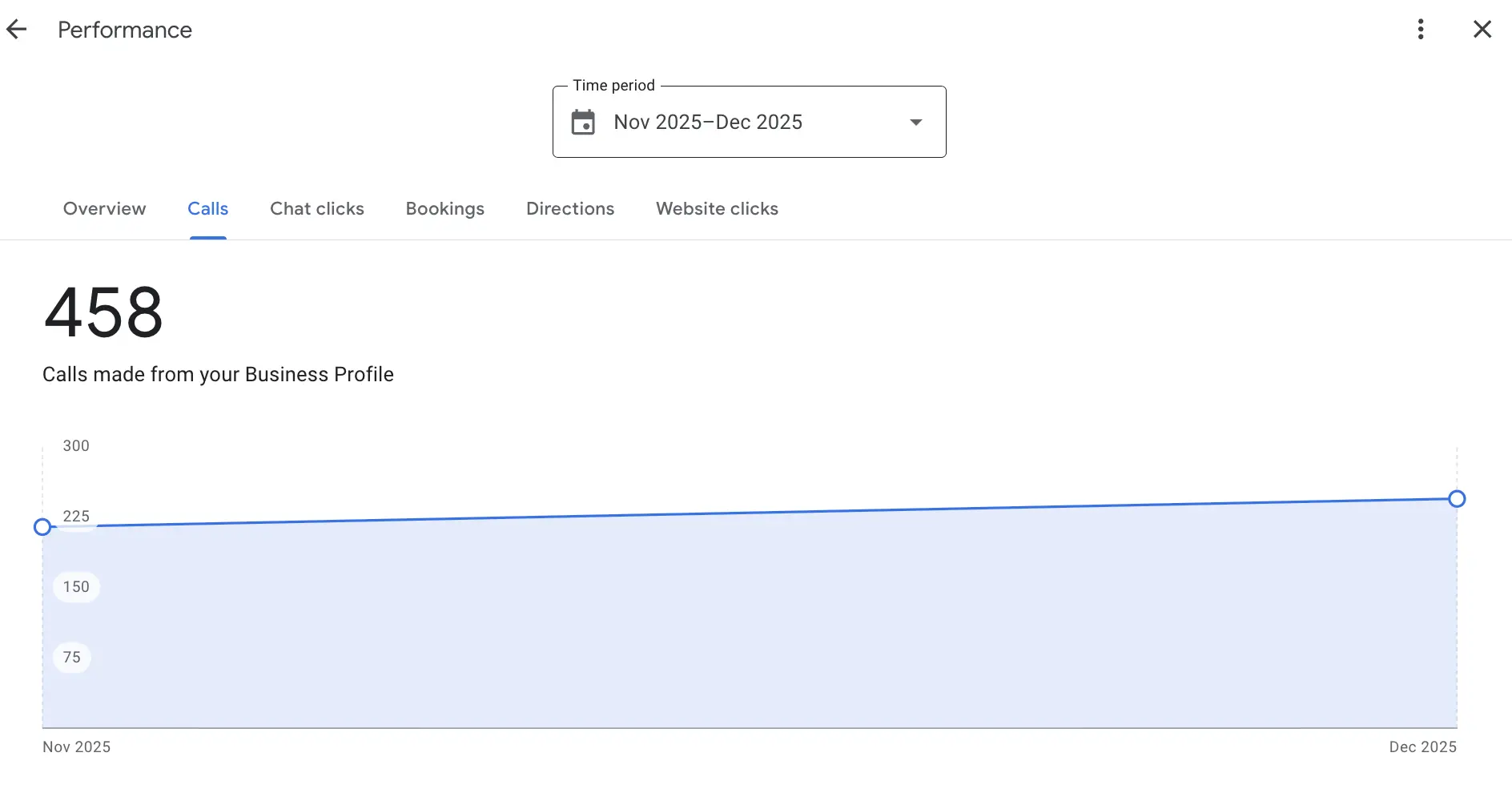
Results vary by market and starting point. Real numbers, not a guarantee of what your practice will see.
Explore what we do, and where else we work.
Common questions from Miami practice owners
How much does marketing cost for a dental practice in Miami?
How long until I see results?
Do you work with practices across Miami-Dade?
Do you build bilingual content for Spanish-speaking patients?
Can an independent practice compete with corporate dental chains?
Do you offer branding, logo design, or social media management?
Will I own my Google Business Profile and analytics if I leave?
Is there a contract?
Do you help with visibility in AI tools like ChatGPT and Gemini?
Do you work with orthodontists, or only general dentists?
What’s included in the free visibility snapshot?
See where your Miami practice actually stands.
Book a free 30-minute call and see exactly where your practice stands before deciding anything.